Villa Modda in Sicily: restoring a ruin in Noto stone
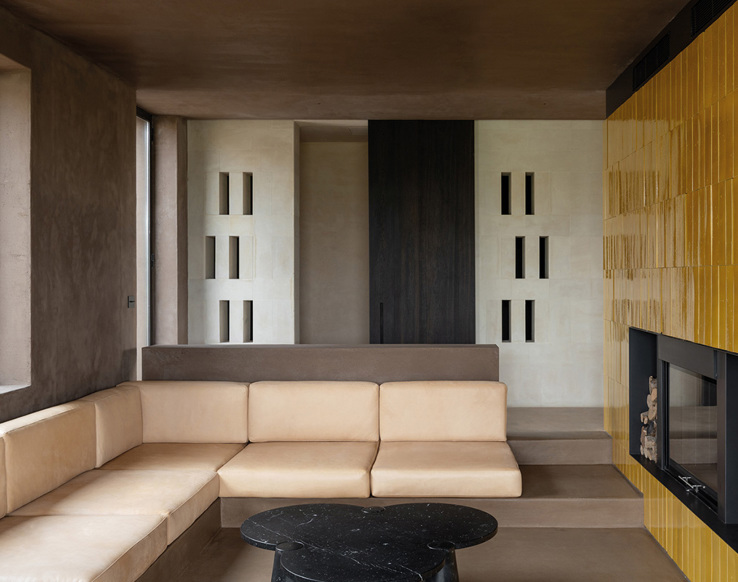
Villa Modda is a restoration project by Studio Depaolidefranceschibaldan architetti, built in Noto, Sicily, and completed in 2026. The intervention involved a rural ruin located in the Val di Noto, rebuilt using the local stone known as Noto stone.
the context: Val di Noto and the restoration of a rural ruin
The Val di Noto, a UNESCO World Heritage site renowned for its extraordinary Baroque architecture, is also a territory marked by widespread rural buildings in local limestone. Villa Modda stems from the restoration of one such ruin, returning architectural dignity to a farm structure otherwise destined for abandonment.
Throughout the twentieth century, many of these rural structures were gradually abandoned as agricultural practices changed and younger generations moved toward the region's towns and cities, leaving behind a scattered heritage of stone buildings exposed to decay. Projects like Villa Modda are part of a broader movement across southern Italy that seeks to reverse this trend, treating rural ruins not as obstacles to demolish but as valuable starting points for new architecture.
noto stone: characteristics and architectural use
Noto stone is a white-golden limestone, historically used throughout southeastern Sicily for its workability and its ability to take on warmer tones over time through surface oxidation. It is the material that made Sicilian Baroque famous, and today finds new life in contemporary restoration projects.
a dialogue between historic stone and contemporary cocciopesto
The project puts the historic stone of the pre-existing ruin in dialogue with contemporary materials such as cocciopesto, a lime-and-crushed-brick finish that recalls Mediterranean tradition while offering modern technical performance. This controlled contrast between old and new is one of the most compelling stylistic traits of the intervention.
a model for sustainable rural heritage restoration
Restoring a stone ruin, rather than demolishing and rebuilding from scratch, brings significant environmental benefits: it reduces the consumption of new resources, preserves the memory of the place, and values a widespread building heritage that would otherwise risk disappearing.
This kind of intervention also requires a different design mindset compared to new construction: every existing wall must be surveyed and assessed before deciding what can be preserved, reinforced, or selectively rebuilt, a process that often reveals construction details - irregular stone coursing, older door and window openings, traces of past modifications - that end up informing the character of the finished project rather than being erased in favor of a uniform result.
why local stone remains central to italian architecture
Villa Modda confirms that, even in the most contemporary projects, local stone remains an essential reference for anyone designing in Italy. This ability to valorize local raw materials is the same expertise that brings the best producers and the most advanced techniques of the Italian stone supply chain to Marmomac every year.
This approach also carries practical advantages: locally sourced stone typically requires shorter transport distances than imported materials, reducing both costs and the project's environmental footprint, while supporting the network of small quarries and artisans who keep traditional stone-working skills alive in the region.
Photo Credits: Marco Cappelletti - archdaily.com